

A delivery shows up and nobody knows where it goes. Two people order the same case of product. You thought the weekend event was on everyone’s radar, then found out half the team heard about it for the first time on Friday afternoon.
Every small business owner has a version of these headaches. You’re doing the work of 10 people, and things are going to slip through the cracks. Most of the time, they come from the same place. Information is scattered across texts, sticky notes, a group chat and your own memory, and each person is working from a different piece of it.
Better internal communication fixes most of it. Here are five changes we’ve seen work for small businesses. Each one costs little or nothing, and you can start any of them this week.
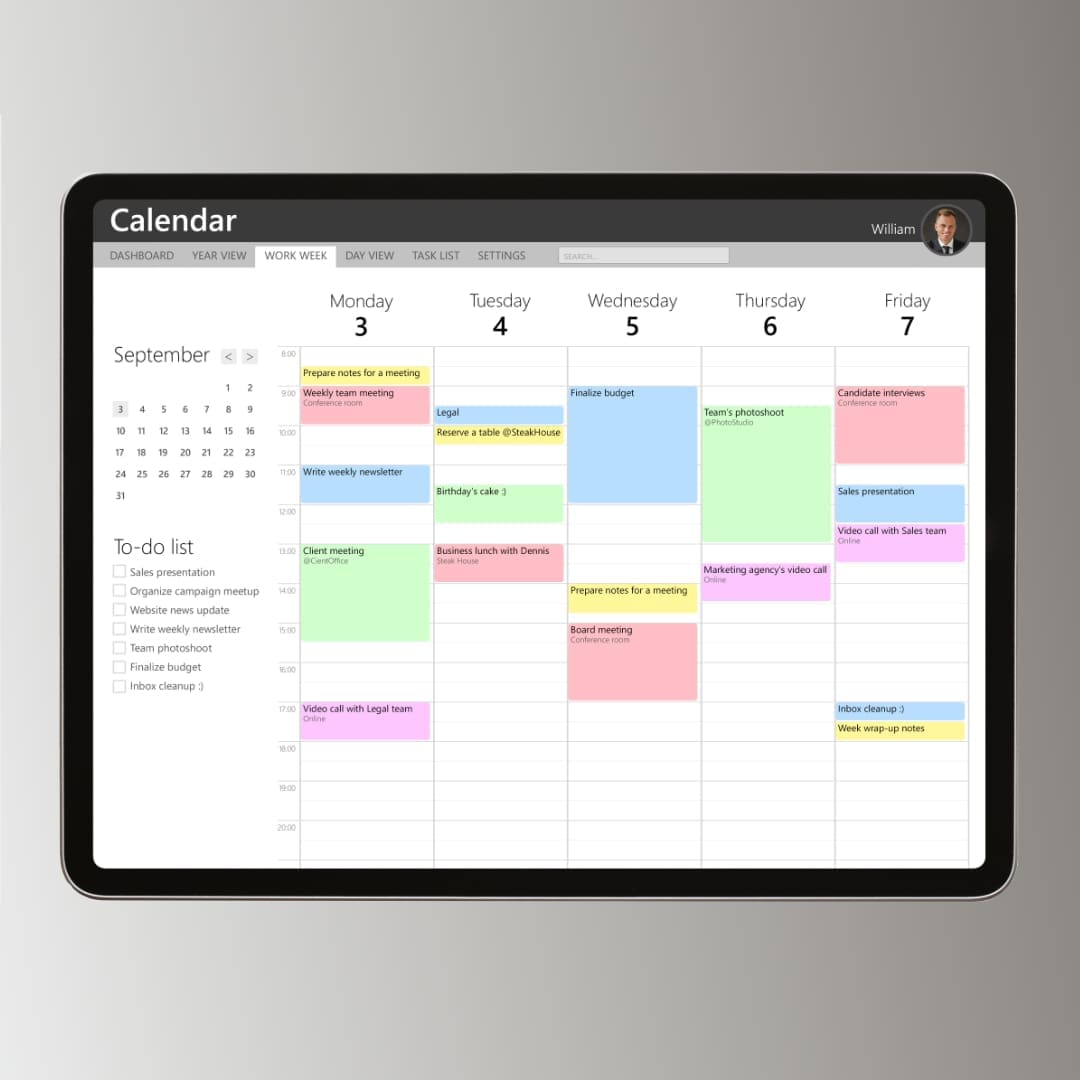
1. Put every event and deadline on one shared calendar
Events fall apart when people can’t see what’s coming. A shared calendar puts every date in front of the whole team, so everyone knows what’s happening and who’s responsible for it.
Add more than the event itself. Put the deadlines leading up to it on the calendar too. For example, add “Confirm food vendor” as its own entry, assign it to someone, and set reminders for two days and one day before it’s due. Now you can see at a glance what still needs to be checked off and who owns each task.

2. Keep daily huddles to five minutes
I know, you just groaned. We’ve all been stuck in a “quick” huddle that ran 15 minutes, covered nothing and put us behind on the day. Hear me out, though. Once your shared calendar is in place, a daily huddle can shrink to a two- to five-minute check-in. Here’s how:
- Before the huddle, look at the next one to two weeks on the shared calendar. Jot down upcoming events, deadlines and who’s responsible for each.
- Run down the list and ask each person three questions: Where are things at? Have you hit any roadblocks? How can I help you get past them?
That’s it. No fuss, no muss. Keep it short and focused on moving things forward.

3. Put one person in charge of a “running low” inventory list
“I thought someone already ordered it” might be one of the most expensive sentences in small business. You can make it a rare one.
Hang a “running low” list next to where you store inventory, and ask your team to add an item when they take the second-to-last box, bottle or pack off the shelf. Then hand the list to one person. Put their reorder day on the shared calendar, and check in on it during your huddles.
It’s 2026 (the year of our Lord), and many point-of-sale systems now offer low-stock alerts and automatic reorder levels. If yours does, send those alerts to the same person.
Making stock levels a whole-team job can feel fairer. In our experience, though, every extra person in a process adds another place for it to break. When everyone assumes someone else is handling it, it doesn’t get done.

4. Make internal communication a two-way conversation
Good internal communication goes both ways. If updates only ever come down from Mount Olympus, you miss what your team sees on the front line every day.
Give people a safe, informal place to share ideas, concerns and feedback. When your team feels heard, they take ownership in the business’s success, and they’ll catch things you miss while you’re wearing 10 hats at once. Inviting feedback isn’t a knock on how you run your business. It helps you spot improvements you can’t see from where you sit. Apps like Slack, WhatsApp or Signal give these conversations a home.
Messaging apps work best alongside in-person check-ins with the whole team and with individuals. Here are three ways to put this into practice:
- Hold monthly one-on-ones, then keep the conversation going in direct messages.
- Create dedicated channels like #ask-us, #ideas or #feedback.
- Encourage reactions, comments and questions in the app, and respond to them.

5. Use an AI note-taker to capture action items
We use a tool called Granola to record our internal meetings, client calls and the occasional session where we just need to talk an idea through out loud. Tools like Granola, Otter.ai, Pocket and Plaud record your conversation, turn it into a transcript and pull out a summary, action items and next steps. It has changed how we work as a team, and I think it can do the same for your business.
For me, the biggest difference is that I don’t have to take notes anymore. I can give the person I’m talking with my full attention without worrying about missing something they said.
One tip: let people know before you hit record. It’s courteous, and some states require everyone on a call to agree to being recorded.
Start with one change
Five changes at once is a lot. Pick one, give it a month until it becomes muscle memory, then move on to the next.
We’re a small business too, and we each wear at least 10 hats a day. These habits and tools have made us more efficient than we could have been a decade ago. If you’d like help figuring out where communication breaks down on your team, our operations check-in is a good place to start. We are here to help you on your journey!